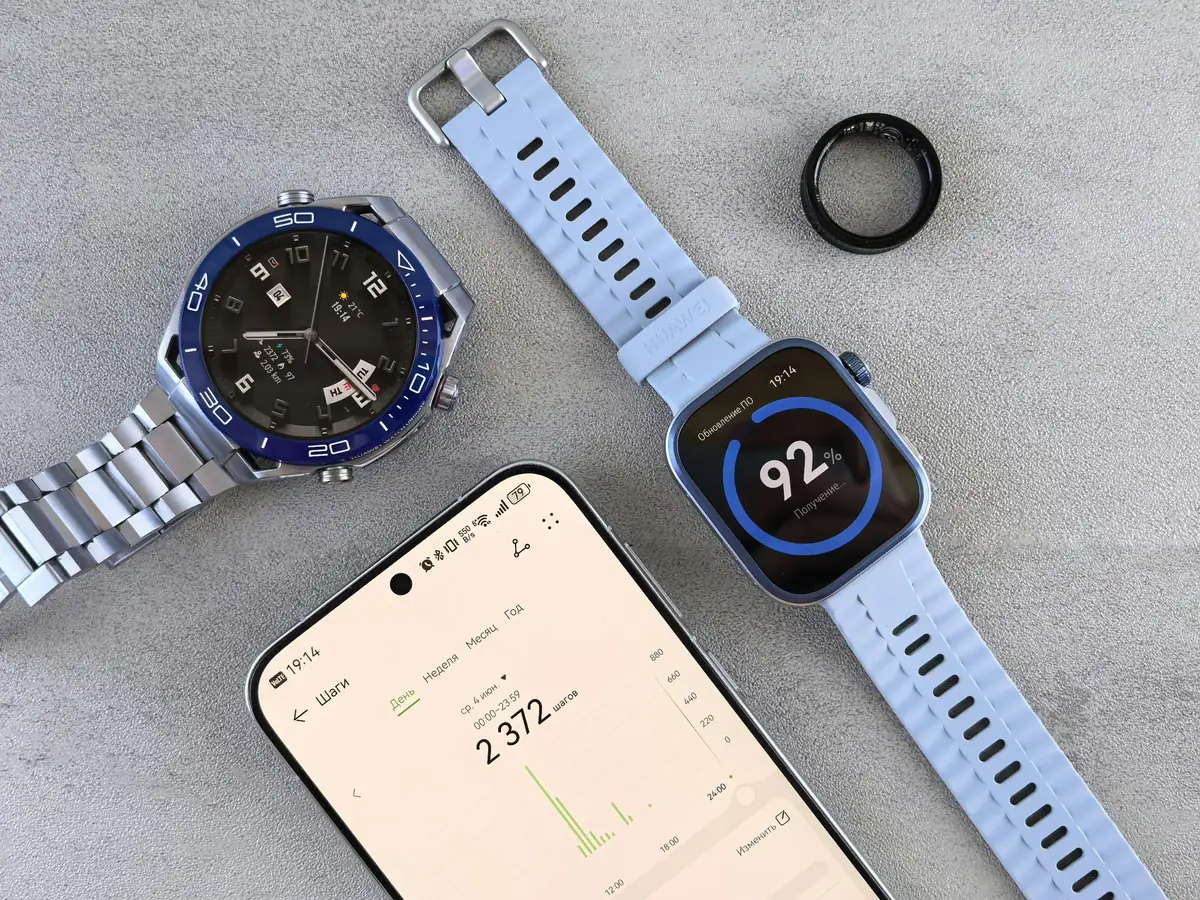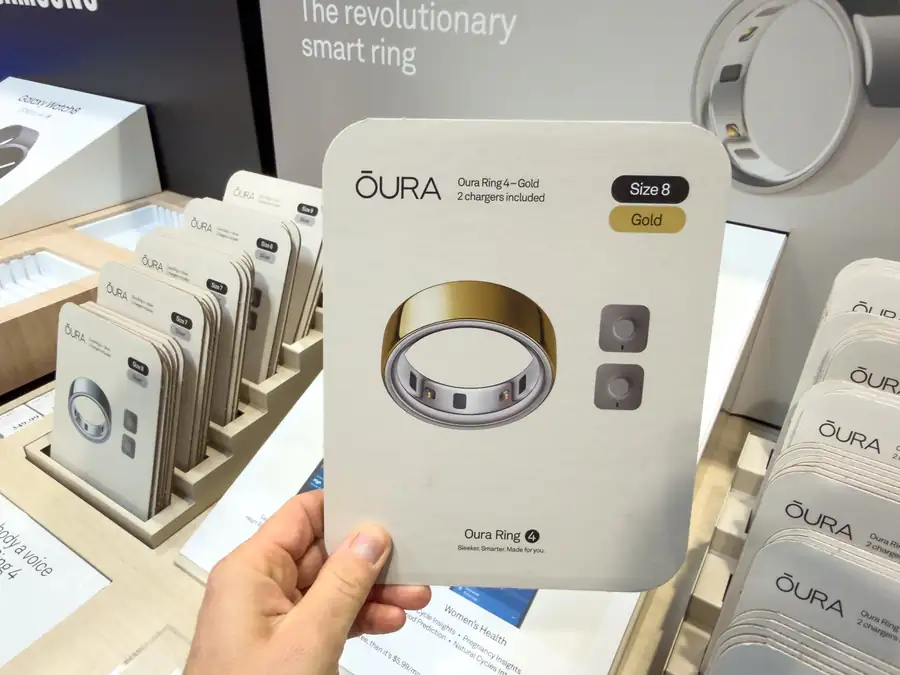
Wearable health devices like Oura Ring and Whoop have changed how people track sleep, recovery, heart rate variability (HRV), and overall wellness. Millions of users now monitor their health daily, but many still wonder what their data means.
If your HRV is low, your recovery score drops, or your sleep metrics fluctuate, it can be difficult to know what your body is telling you.
At Organic Well in Coconut Grove, Miami, wearable health data is interpreted through a functional and integrative medicine approach to help patients understand the root causes behind these patterns and build a personalized plan for long-term health.
Tracking health vs. understanding health
Devices like Oura and Whoop are useful tools for collecting health data. They measure:
- Heart rate variability (HRV)
- Resting heart rate
- Sleep stages
- Recovery scores
- Activity strain
- Body temperature trends
However, tracking data is only the first step. Understanding why these numbers change requires a deeper look at metabolism, hormones, inflammation, stress response, and lifestyle factors.
Functional medicine can help connect wearable data with what is happening in the body.
What low HRV may be telling you
HRV is one of the most important recovery indicators tracked by Oura and Whoop.
Low HRV can be associated with:
- chronic stress
- poor sleep quality
- inflammation
- overtraining
- hormonal imbalance
- nutrient deficiencies
- metabolic dysfunction
Rather than focusing only on the number itself, functional medicine evaluates the systems influencing HRV patterns over time.
At Organic Well, HRV trends may be reviewed alongside advanced lab testing, lifestyle analysis, and recovery patterns to identify underlying causes.
Sleep data and recovery patterns
Sleep tracking is another major reason people use wearable devices. While sleep scores provide helpful insights, they don’t always explain why sleep quality changes.
Common contributors to poor sleep metrics include:
- cortisol imbalance
- blood sugar instability
- micronutrient deficiencies
- gut health issues
- chronic stress
- inflammation
Functional medicine focuses on identifying these contributors rather than simply managing symptoms.
Improving sleep often improves recovery, immune function, energy levels, and cognitive performance.
When wearable data shows patterns
Many patients seek guidance when they notice patterns such as:
- consistently low recovery scores
- declining HRV trends
- non-restorative sleep
- persistent fatigue despite good habits
- difficulty improving performance metrics
These patterns can sometimes indicate deeper physiological imbalances that are not visible through wearable data alone.
A physician-guided evaluation can help interpret these signals in context.
Functional medicine and wearable health data
At Organic Well in Coconut Grove, Miami, wearable data interpretation is guided by Dr. Elizabeth Isalguez, an internal medicine physician specializing in functional and integrative medicine.
Consultations may include:
- health history review
- lifestyle analysis
- advanced laboratory testing
- hormone evaluation
- cardiometabolic testing
- personalized wellness planning
Wearable data becomes part of a larger clinical picture rather than a standalone measurement.
Who this is for
Wearable data interpretation may benefit:
- Oura Ring users
- Whoop users
- athletes and high performers
- professionals experiencing burnout
- individuals with chronic fatigue
- people focused on longevity and performance
- patients interested in functional medicine in Miami
Many patients combine wearable tracking with personalized medical guidance to better understand their health trends.
Personalized health optimization in Miami
Wearable devices provide valuable data, but real health optimization comes from understanding the body as an interconnected system.
Functional medicine helps translate sleep metrics, HRV trends, and recovery scores into actionable health insights.
Organic Well provides physician-guided functional medicine consultations in Miami designed to help patients understand their data and improve long-term wellness.
Schedule a consultation
If you use Oura Ring or Whoop and want to better understand your health data, schedule a functional medicine consultation with Organic Well.
Personalized care begins with understanding the signals your body is already giving you.
Evidence
What the research says
We cite the studies directly, including where the evidence is thin. Every link goes to the primary source.
For HRV, Oura devices provided the highest accuracy… WHOOP showed moderate accuracy, followed by poor agreement from both Garmin and Polar.
Dial MB, et al. Validation of nocturnal resting heart rate and heart rate variability in consumer wearables. Physiological Reports, 2025.
Thirteen adults, 536 nights, five devices measured simultaneously against an ECG reference. Which device you wear changes how much weight a number deserves, and no dashboard tells you that.
Photoplethysmography (PPG)-based heart rate variability (HRV) is the dominant approach in current wearables, achieving 60–72% accuracy for four-stage sleep classification.
Systematic review of wearable sleep monitoring, medRxiv, 2025.
Both REM and light sleep raise heart-rate variability, so cardiac signals alone cannot cleanly separate them. Total sleep time and consistency are the trustworthy outputs; the stage pie chart is indicative, not diagnostic.
Key issues as wearable digital health technologies enter clinical care.
Ginsburg GS, Picard RW, Friend SH. Wearable Digital Health Technologies. New England Journal of Medicine, 2024;390:1118–1127.
The framing paper on what has to be true before consumer sensor data can responsibly inform a medical decision: validation, context and interpretation, in that order.