The efficacy question is settled
GLP-1 and dual GIP/GLP-1 receptor agonists produce weight reduction that no previous class of anti-obesity medication approached. In the SURMOUNT program, participants who continued tirzepatide achieved a total mean weight loss of 26 percent from study entry over 88 weeks. Cardiometabolic markers improved alongside it. Whatever debate remains about these drugs, it is not about whether they work while you are taking them.
The withdrawal trial nobody quotes
SURMOUNT-4 was designed to answer the question patients actually ask. Adults with obesity or overweight received tirzepatide for 36 weeks, then were randomized either to continue or to switch to placebo for a further 52 weeks. Those who continued lost an additional 6.7 percent. Those who stopped regained a mean of 14 percent of body weight. They still ended the trial 9.9 percent below their starting weight, meaningfully better than baseline, but much of their initial cardiometabolic improvement had reversed.
The follow-up analysis is more pointed
A post hoc analysis published in JAMA Internal Medicine examined the participants who had achieved at least 10 percent weight reduction and were then switched to placebo. Most regained 25 percent or more of the weight they had lost within a year, and greater regain was associated with greater reversal of the improvements in cardiometabolic parameters. The accompanying editorial named the misconception directly: that patients can stop these medications at goal weight and keep both the weight loss and the health benefits.
This is not new, and it is not a drug failure
The SURMOUNT-4 investigators noted that at least five trials, across multiple drug classes, spanning more than two decades, have shown substantial weight regain after stopping pharmacotherapy. The consistency of that finding across mechanisms is the important part. It suggests obesity behaves like a chronic metabolic condition (closer to hypertension or type 2 diabetes than to an infection) where treatment maintains a state rather than curing it. Nobody expects blood pressure to stay low after stopping an antihypertensive.
What this changes in practice
Four things. First, the conversation about duration belongs at the first visit, not at the point of discontinuation. Second, the plan has to include what happens if you stop, whether by choice, because of cost, or because of supply. Third, the non-pharmacological work is not optional garnish; resistance training, protein intake and sleep are what make a lower weight defensible without medication. Fourth, success should be measured in body composition, labs and function, not scale weight alone.
Muscle is the part that gets neglected
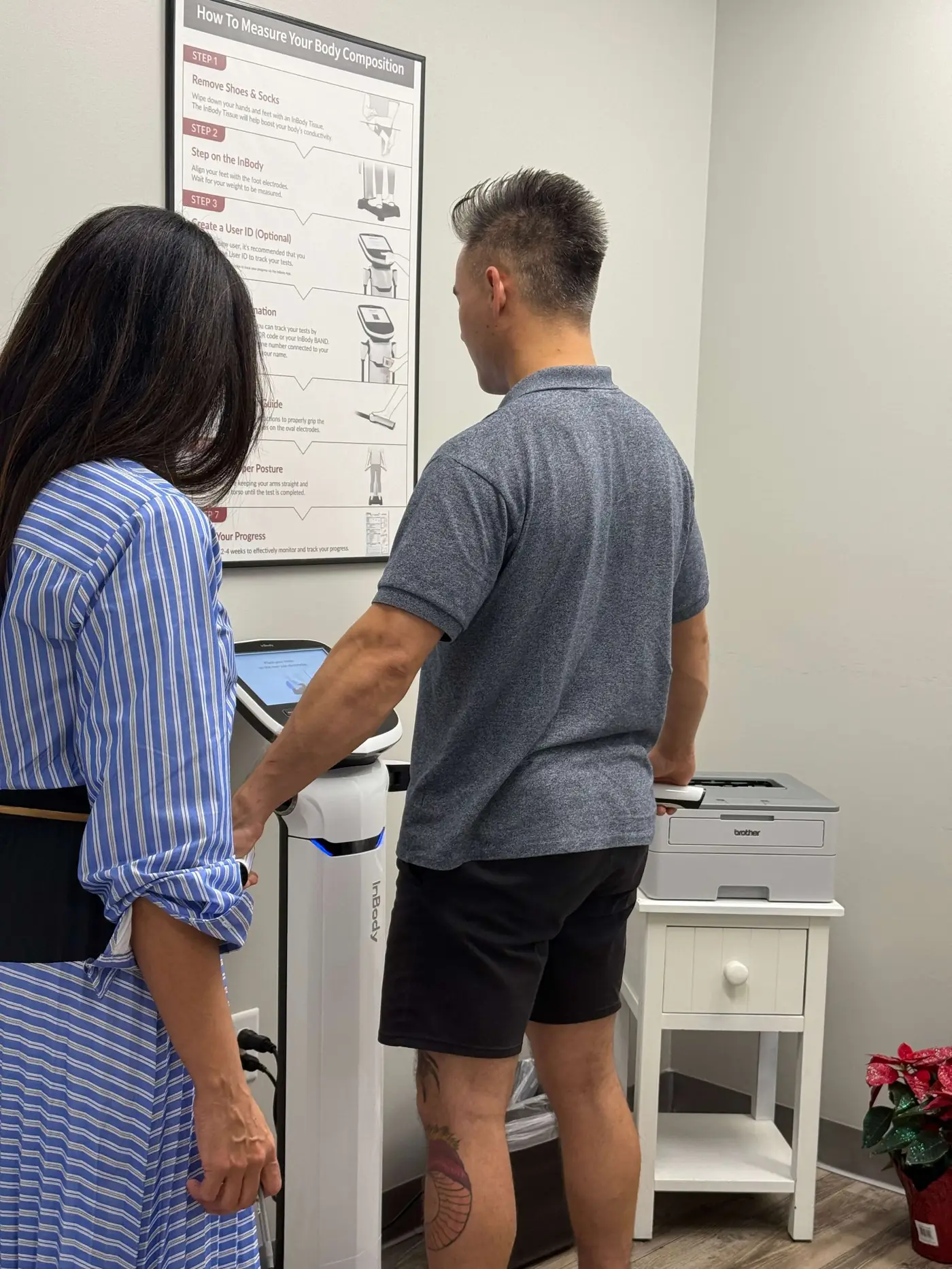
Rapid weight loss costs lean mass as well as fat, and lean mass is what protects your metabolic rate, your strength and your independence later. Any responsible program built around these medications therefore includes adequate protein, progressive resistance training, and body composition measurement rather than weight alone. A patient who loses 20 percent of their body weight and a disproportionate share of their muscle has not had a good outcome, however good the number looks.
Side effects and monitoring
The most frequently reported adverse events in the trials were gastrointestinal (nausea, diarrhea, constipation, vomiting), generally dose-related and often manageable with slower titration. Rarer risks require discussion before starting, including pancreatitis, gallbladder disease and, in patients with retinopathy, ophthalmological considerations. These medications are contraindicated in personal or family history of medullary thyroid carcinoma or MEN2. They should not be used during pregnancy: the labels say to stop the medicine when pregnancy is recognized, so talk to your clinician before you plan a pregnancy. We monitor metabolic markers, body composition and tolerability, and we adjust rather than push through.
How we prescribe them
When clinically appropriate, with labs, monitoring, a muscle-preservation plan and a defined review schedule. We discuss cost honestly, because affordability is the most common real-world reason people stop. And we talk about the exit before the entrance: what maintenance looks like, what a lower maintenance dose might involve, and what happens if you come off. Prescribing these drugs is straightforward. Prescribing them responsibly means planning for year three, not month three.
Evidence
What the research says
We cite the studies directly, including where the evidence is thin. Every link goes to the primary source.
The SURMOUNT-4 trial results emphasize the need to continue pharmacotherapy to prevent weight regain and ensure the maintenance of weight reduction and its associated cardiometabolic benefits.
Aronne LJ, et al. Continued Treatment With Tirzepatide for Maintenance of Weight Reduction in Adults With Obesity: The SURMOUNT-4 Randomized Clinical Trial. JAMA, 2024;331(1):38–48.
Withdrawal after 36 weeks was followed by a mean 14% weight regain over 52 weeks; continuation produced a further 6.7% loss, for a total of 26% from study entry.
Withdrawing tirzepatide led to a 25% or greater weight regain in most within one year… associated with a greater reversal of their initial cardiometabolic parameter improvements.
Horn DB, et al. Cardiometabolic Parameter Change by Weight Regain on Tirzepatide Withdrawal in Adults With Obesity: A Post Hoc Analysis of the SURMOUNT-4 Trial. JAMA Internal Medicine, 2025.
308 participants who had achieved at least 10% weight reduction. The editorial calls out the common misconception that medication can be stopped at goal weight with benefits retained.
At least 5 trials (including the present study) across various classes of medications, including potent antiobesity medications such as semaglutide, have demonstrated that weight is substantially regained after cessation of pharmacotherapy.
Aronne LJ, et al. SURMOUNT-4. JAMA, 2024. PMID 38078870.
Consistency across drug classes over two decades is why obesity is best treated as a chronic condition requiring long-term management rather than a finite course of treatment.