La cuestión de la eficacia está zanjada
Los agonistas del receptor de GLP-1 y los agonistas duales GIP/GLP-1 producen una reducción de peso a la que ninguna clase anterior de medicamentos contra la obesidad se había acercado. En el programa SURMOUNT, los participantes que continuaron con la tirzepatida alcanzaron una pérdida media total del 26 % desde el inicio del estudio a lo largo de 88 semanas. Los marcadores cardiometabólicos mejoraron en paralelo. El debate que aún exista sobre estos fármacos no gira en torno a si funcionan mientras se toman.
El ensayo de retirada que nadie cita
SURMOUNT-4 se diseñó para responder la pregunta que de verdad hacen los pacientes. Adultos con obesidad o sobrepeso recibieron tirzepatida durante 36 semanas y después fueron asignados al azar a continuarla o a pasar a placebo durante otras 52 semanas. Quienes continuaron perdieron un 6.7 % adicional. Quienes la dejaron recuperaron en promedio un 14 % del peso corporal. Aun así, terminaron el ensayo un 9.9 % por debajo de su peso inicial (una mejora real respecto al inicio), pero buena parte de su mejora cardiometabólica inicial se había revertido.
El análisis de seguimiento es más contundente
Un análisis post hoc publicado en JAMA Internal Medicine examinó a los participantes que habían logrado una reducción de peso de al menos un 10 % y después pasaron a placebo. La mayoría recuperó en el plazo de un año un 25 % o más del peso que había perdido, y una mayor recuperación se asoció con una mayor reversión de las mejoras en los parámetros cardiometabólicos. El editorial que lo acompañaba señaló el malentendido sin rodeos: creer que los pacientes pueden suspender estos medicamentos al alcanzar el peso objetivo y conservar tanto la pérdida de peso como los beneficios para la salud.
Esto no es nuevo, y no es un fracaso del fármaco
Los investigadores de SURMOUNT-4 señalaron que al menos cinco ensayos, con varias clases de fármacos y a lo largo de más de dos décadas, han mostrado una recuperación sustancial del peso tras suspender la farmacoterapia. Lo importante es que ese hallazgo se repite con mecanismos distintos. Sugiere que la obesidad se comporta como una enfermedad metabólica crónica (más cercana a la hipertensión o a la diabetes tipo 2 que a una infección), en la que el tratamiento mantiene un estado en lugar de curarlo. Nadie espera que la presión arterial siga baja tras suspender un antihipertensivo.
Qué cambia esto en la práctica
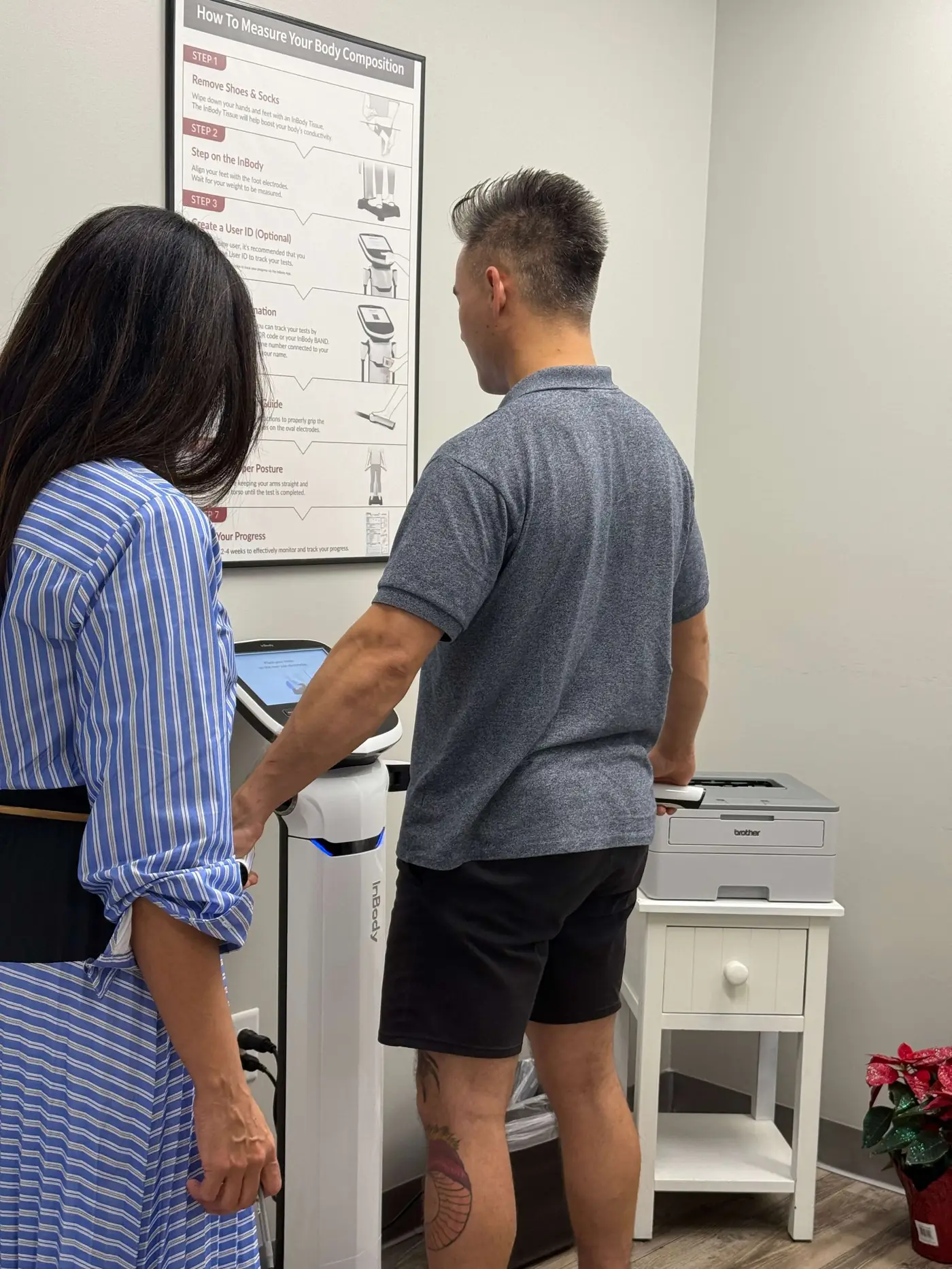
Cuatro cosas. Primera, la conversación sobre la duración corresponde a la primera visita, no al momento de suspender el tratamiento. Segunda, el plan tiene que prever qué pasa si lo deja, ya sea por decisión propia, por el costo o por falta de suministro. Tercera, el trabajo no farmacológico no es un adorno opcional: el entrenamiento de fuerza, la ingesta de proteína y el sueño son lo que permite sostener un peso más bajo sin medicación. Cuarta, el éxito debería medirse en composición corporal, análisis de laboratorio y función, no solo en el peso de la balanza.
El músculo es la parte que se descuida
Cuando se pierde peso rápidamente se pierde masa magra además de grasa, y la masa magra es la que protege su tasa metabólica, su fuerza y su independencia en el futuro. Por eso, cualquier programa responsable en torno a estos medicamentos incluye proteína suficiente, entrenamiento de fuerza progresivo y la medición de la composición corporal en lugar de solo el peso. Un paciente que pierde el 20 % de su peso corporal y una proporción desmedida de su músculo no ha tenido un buen resultado, por bien que se vea la cifra.
Efectos secundarios y monitoreo
Los efectos adversos descritos con más frecuencia en los ensayos fueron gastrointestinales (náuseas, diarrea, estreñimiento, vómitos), en general relacionados con la dosis y a menudo manejables con una titulación más lenta. Los riesgos menos frecuentes deben conversarse antes de empezar, entre ellos la pancreatitis, la enfermedad de la vesícula biliar y, en pacientes con retinopatía, aspectos oftalmológicos. Estos medicamentos están contraindicados en caso de antecedentes personales o familiares de carcinoma medular de tiroides o MEN2. No deben usarse durante el embarazo: las etiquetas indican suspender el medicamento cuando se confirma el embarazo, así que hable con su médico antes de planificar un embarazo. Monitoreamos los marcadores metabólicos, la composición corporal y la tolerabilidad, y ajustamos el tratamiento en lugar de forzarlo.
Cómo los prescribimos
Cuando es clínicamente apropiado, con análisis de laboratorio, monitoreo, un plan para preservar el músculo y un calendario de revisiones definido. Hablamos del costo con honestidad, porque no poder pagarlo es, en la práctica, la razón más frecuente por la que la gente deja el tratamiento. Y hablamos de la salida antes que de la entrada: cómo es el mantenimiento, qué podría implicar una dosis de mantenimiento más baja y qué pasa si lo suspende. Prescribir estos fármacos es sencillo. Prescribirlos de forma responsable significa planificar pensando en el tercer año, no en el tercer mes.
Evidencia
Qué dice la investigación
Citamos los estudios directamente, también cuando la evidencia es escasa. Cada enlace lleva a la fuente original.
Los resultados del ensayo SURMOUNT-4 subrayan la necesidad de continuar la farmacoterapia para evitar la recuperación del peso y asegurar el mantenimiento de la reducción ponderal y de sus beneficios cardiometabólicos asociados.
Aronne LJ, et al. Continued Treatment With Tirzepatide for Maintenance of Weight Reduction in Adults With Obesity: The SURMOUNT-4 Randomized Clinical Trial. JAMA, 2024;331(1):38–48.
Tras la retirada a las 36 semanas hubo una recuperación media del 14 % del peso a lo largo de 52 semanas; continuar el tratamiento produjo una pérdida adicional del 6.7 %, hasta un total del 26 % desde el inicio del estudio.
La retirada de la tirzepatida llevó a que la mayoría recuperara un 25 % o más del peso en un año… asociada a una mayor reversión de las mejoras iniciales en sus parámetros cardiometabólicos.
Horn DB, et al. Cardiometabolic Parameter Change by Weight Regain on Tirzepatide Withdrawal in Adults With Obesity: A Post Hoc Analysis of the SURMOUNT-4 Trial. JAMA Internal Medicine, 2025.
308 participantes que habían logrado al menos un 10 % de reducción de peso. El editorial señala expresamente el error frecuente de creer que se puede suspender la medicación al alcanzar el peso objetivo y conservar los beneficios.
Al menos 5 ensayos (incluido el presente estudio) con distintas clases de medicamentos, entre ellos fármacos antiobesidad potentes como la semaglutida, han demostrado que el peso se recupera de forma sustancial tras la interrupción de la farmacoterapia.
Aronne LJ, et al. SURMOUNT-4. JAMA, 2024. PMID 38078870.
Esa consistencia entre clases de fármacos a lo largo de dos décadas es la razón por la que la obesidad se trata mejor como una enfermedad crónica que requiere manejo a largo plazo, y no como un tratamiento con fecha de término.