Skip to content

Regenerative

Exosome Therapy in Miami

Exosomes are extracellular vesicles that carry signaling molecules between cells; at Organic Well any use of exosome-based protocols is investigational, offered only when clinically appropriate, with written informed consent, as part of physician-guided care. There are no FDA-approved exosome products for any therapeutic use, and the practice explains that regulatory status before any decision. Evaluation takes place at the clinic in Coconut Grove, Miami.

In-clinic in Coconut Grove and via telehealth across Florida · (305) 930-8891

Medically reviewed by Dr. Elizabeth Isalguez Last reviewed

Key takeaways

  • There are no FDA-approved exosome products for any therapeutic use.
  • The FDA issued a public safety notification in 2019 after adverse events from unapproved exosome preparations.
  • Human evidence is limited to small case series and early studies.
  • Product characterization varies by supplier, so documentation review is essential.
  • Any use is investigational, with written informed consent covering regulatory status.

What it supports

Cellular signaling

Supports communication pathways involved in repair.

Recovery-oriented

Used within recovery and skin-health programs.

Screened sourcing

Products are sourced from screened, regulated laboratories.

What exosome therapy actually is

Exosomes are nanoscale extracellular vesicles, roughly 30 to 150 nanometres across, that cells release to communicate with one another. They carry proteins, lipids and RNA, and in laboratory models they influence how tissue repairs itself. That is legitimately interesting science.

It is also, at present, science rather than approved treatment. There are no FDA-approved exosome products for any therapeutic use, and the agency has issued public safety notifications and warning letters on exactly this point. We tell patients that first, before anything else.

How it works, step by step

  1. Consultation: goals, history and prior treatments reviewed alongside realistic alternatives.
  2. Regulatory and evidence briefing: the FDA position in plain language, and what the published human evidence contains.
  3. Product scrutiny: source laboratory, characterization, sterility and potency documentation. Missing documentation is a stop.
  4. Informed consent: written, specific, and covering regulatory status.
  5. Follow-up: response tracked and documented within your broader plan.

Who it's for, and who it isn't

Possibly appropriate: patients with recovery, skin-quality or healthy-aging goals who understand they are choosing an unapproved, investigational-grade option and want it managed by a physician rather than a med-spa.

Not appropriate: anyone with active malignancy, active infection, pregnancy or breastfeeding; anyone seeking treatment for a serious medical condition where proven therapy exists; and anyone who would proceed on the basis of marketing rather than informed consent.

What to expect at your first visit

An evidence-first conversation. We review your goals, discuss options with stronger evidence, and if exosome-based protocols remain of interest, walk through regulatory status, product documentation and cost. Nothing is administered at a first consultation.

Safety, side effects and contraindications

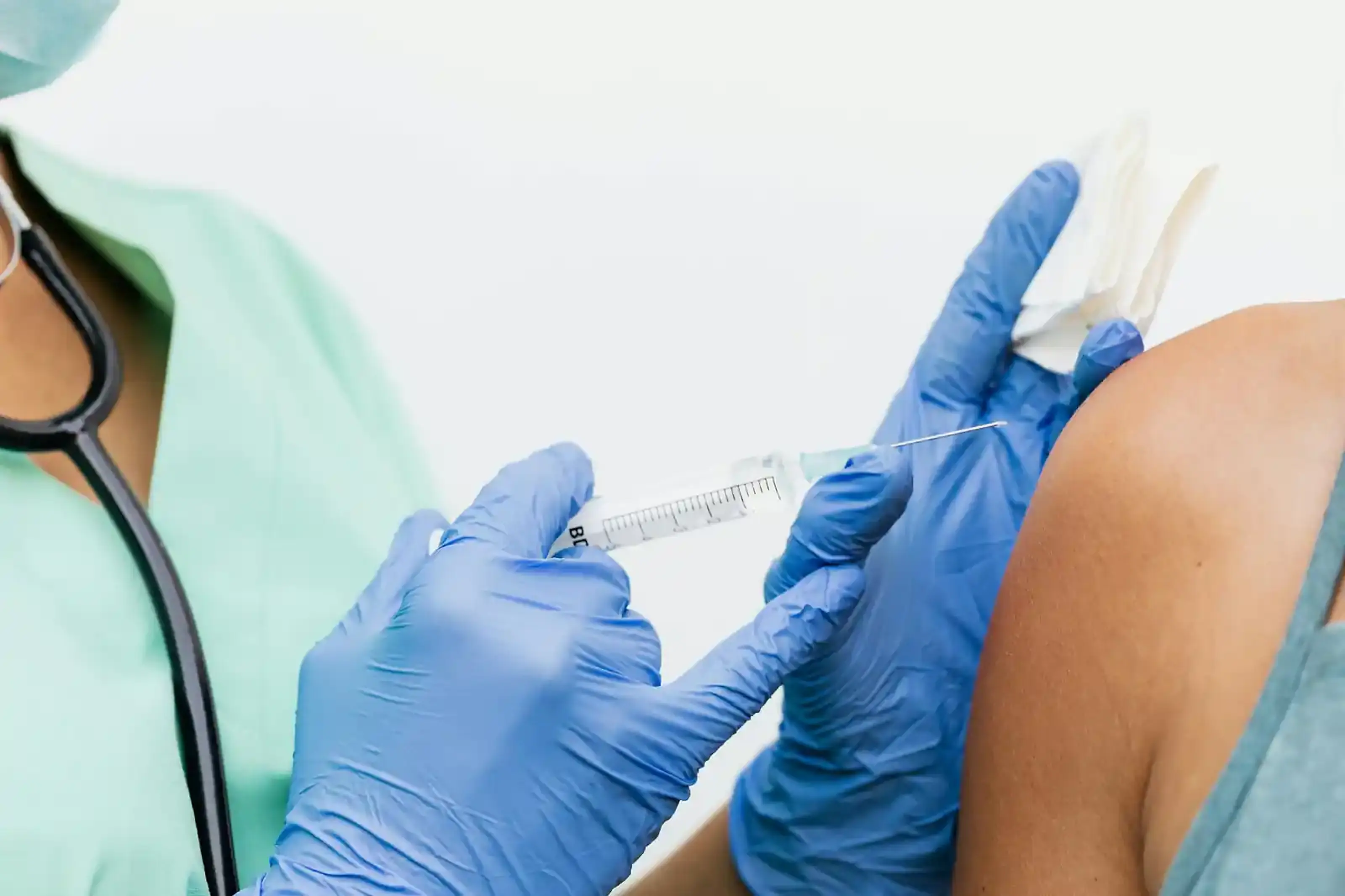
Reported local effects include injection-site redness, swelling and tenderness. The more significant risk is product quality: the FDA issued a public safety notification in 2019 after serious adverse events in patients who received unapproved preparations marketed as exosomes.

No exosome product is FDA-approved to diagnose, treat, cure or prevent any disease. Statements on this page have not been evaluated by the FDA.

Pricing and insurance

Not covered by insurance. Costs are disclosed before you decide, and we will tell you plainly when a lower-cost, better-evidenced option is likely to serve you better.

Exosome therapy in Coconut Grove, Miami

Exosomes are among the most aggressively marketed treatments in South Florida, frequently at four- and five-figure prices. Our role at 3661 S. Miami Ave is to give you the regulatory and scientific picture accurately, and to make sure any decision you reach is an informed one.
Further reading

Evidence

What the research says

Peer-reviewed sources, quoted directly, including where the evidence is thin.

  • In 2019, the FDA issued a Public Safety Notification on exosome products after serious adverse events were reported in patients who received unapproved preparations marketed as exosomes.

    Regulatory, ethical, and clinical barriers to exosome use in interventional pain medicine. Interventional Pain Medicine, 2026.

    The same paper documents warning letters to clinics selling umbilical cord–derived exosomes without an IND or BLA.

  • Given the classification of exosomes as biological drugs by the FDA, they are subjected to exhaustive evaluation.

    Insight into the Functional Dynamics and Challenges of Exosomes in Pharmaceutical Innovation and Precision Medicine, 2024.

    Why isolation protocols and regulatory pathways remain the field's bottleneck.

  • Both patients demonstrated significant hair regrowth and improvement in SALT scores without adverse events.

    Adipose Tissue–Derived Exosomes as a Novel Therapeutic Approach for Refractory Alopecia Areata: A Report of Two Cases, 2025.

    Two patients. That is the scale of the human evidence: encouraging, and nowhere near sufficient to establish efficacy.

Our position

The underlying biology deserves serious research. Until that research produces approved products, we treat exosomes as investigational, discuss them honestly, and never present them as proven.

Frequently asked questions

In-clinic in Coconut Grove and via telehealth across Florida · (305) 930-8891

Exosomes are not cells. They are vesicles released by cells that carry signaling molecules. Your provider explains which approach, if any, fits your goals.

No. There are zero FDA-approved exosome products for any therapeutic use, and the FDA has issued public safety notifications and warning letters about products marketed as exosomes.

A full intake and goal review, plus a frank briefing on regulatory status and evidence. Nothing is administered at a first consultation.

Published human data are limited to small case series and early studies, largely in dermatology and hair restoration. There are no large randomized trials supporting general regenerative use.

Ask for the product's regulatory classification, whether it is part of a registered clinical trial, and for lot-specific characterization, sterility and potency data. If a clinic cannot answer precisely, that is your answer.

Local reactions are the most common. The greater risk is unknown product quality; serious adverse events have been reported with unapproved preparations.

Because patients ask, and because they are better served hearing the regulatory reality from a physician than from an advertisement.

Possibly. Legitimate research is progressing through proper channels. Approval requires trials that have not yet been completed.

No.

Depending on your goal: structured rehabilitation, hormone and metabolic optimization, sleep and recovery work, or established dermatological treatments. We will name them.

Regulatory note: certain regenerative and peptide-based therapies are not FDA-approved to diagnose, treat, cure, or prevent any disease. They are offered when clinically appropriate, with informed consent, as part of physician-guided care. Individual results vary.

Contact

Request a consultation

Share a few details and our team will reach out within one business day.

Visit us

3661 S. Miami Ave, Suite 1003Miami, FL 33133 · United States By appointment · Mon–Fri, 9 AM – 6 PM

Your contact details

I'm interested in

Tell us about your goals

Thank you! Your submission has been received!
Oops! Something went wrong while submitting the form.