Los datos que ya tiene
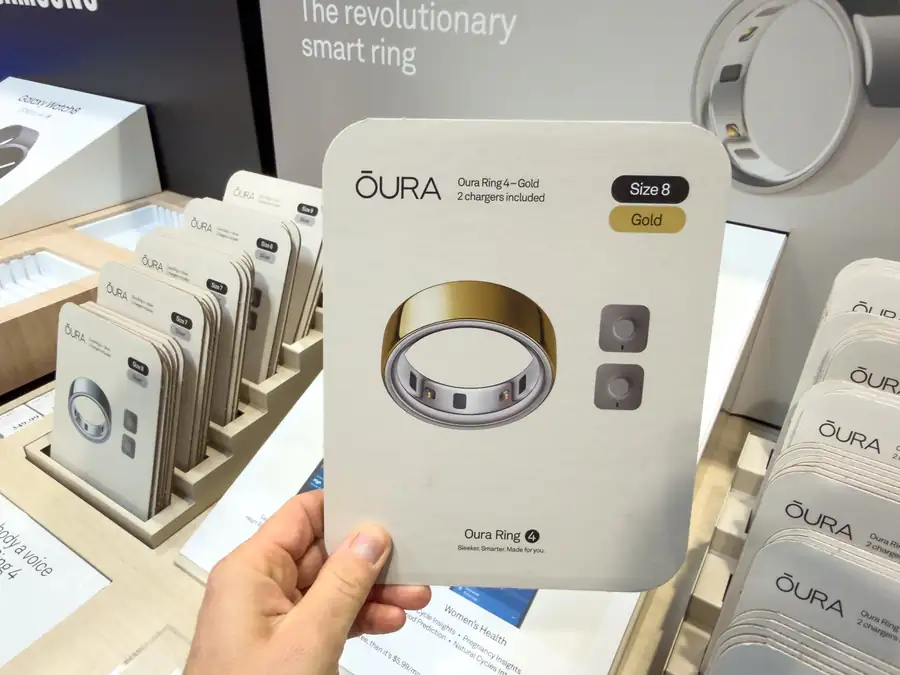
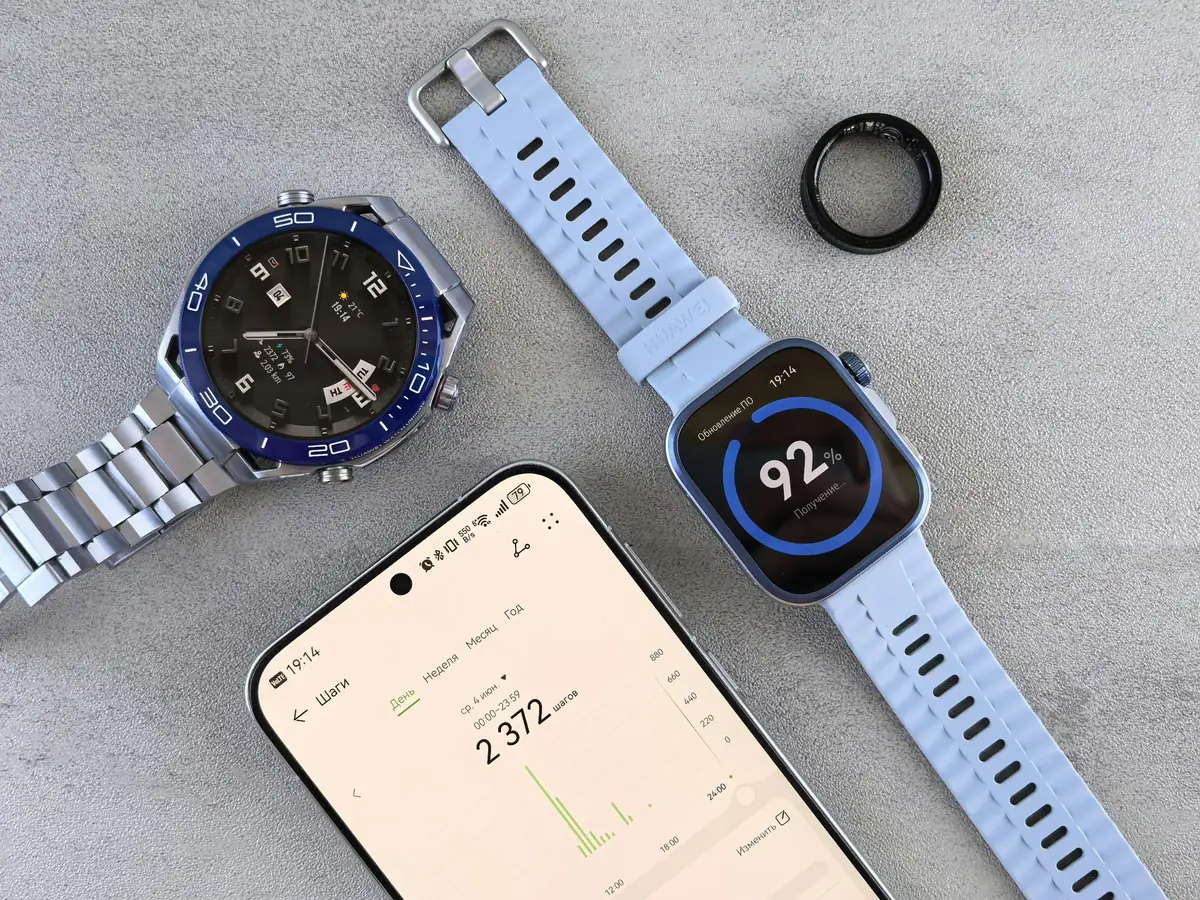
Si lleva un WHOOP, un anillo Oura o un reloj inteligente moderno, está generando un registro fisiológico continuo: frecuencia cardíaca en reposo nocturna, variabilidad de la frecuencia cardíaca, duración y horario del sueño, frecuencia respiratoria, temperatura de la piel, actividad y, en algunos dispositivos, oxígeno en la sangre. Para la mayoría de las personas ese registro vive dentro de una aplicación y se mira de reojo con el café. Clínicamente es algo más útil: una medición longitudinal de cómo está respondiendo su cuerpo, recogida los días en los que usted no está en consulta, que son casi todos.
Por qué una consulta médica no lo capta todo
Una consulta capta un solo momento, por lo general uno en el que usted acaba de llegar, con prisa y con cierta ansiedad por la medición. Pero la fisiología cambia. La recuperación se desploma durante un trimestre estresante. El sueño se deteriora poco a poco a lo largo de un año. La frecuencia cardíaca en reposo sube durante semanas antes de que uno note que algo va mal. El alcohol, una enfermedad, un medicamento nuevo, un bloque de entrenamiento intenso y un cambio de huso horario dejan su huella. Los datos de tendencia hacen visibles esos cambios, y pronto. Ese es el argumento honesto para integrarlos.
Qué tan preciso es todo esto
Aquí es donde la mayoría del contenido de bienestar deja de hacer preguntas, así que conviene ser concreto. Un estudio de validación publicado en Physiological Reports comparó cinco dispositivos de consumo frente a una referencia de ECG a lo largo de 536 noches de sueño. La precisión varió de forma significativa entre dispositivos: para la frecuencia cardíaca en reposo nocturna, los anillos Oura de tercera y cuarta generación mostraron la mayor concordancia, con WHOOP en un nivel moderado y Polar peor. Para la variabilidad de la frecuencia cardíaca la dispersión fue todavía mayor. La conclusión útil no tiene que ver con qué marca gana: la métrica y el dispositivo determinan juntos si una cifra merece peso clínico.
Las fases del sueño son el eslabón más débil
La clasificación de fases del sueño en dispositivos de consumo es la métrica en la que más confían los pacientes y la que menos lo merece. Los métodos basados en fotopletismografía alcanzan aproximadamente entre un 60 y un 72 por ciento de precisión en la clasificación del sueño en cuatro fases, con una subestimación sistemática del REM y una sobreestimación del sueño profundo. La razón fisiológica es sencilla: tanto el REM como el sueño ligero muestran una variabilidad elevada de la frecuencia cardíaca, de modo que las señales cardíacas por sí solas tienen dificultades para separarlos. El tiempo total de sueño y la regularidad del horario son mucho más confiables que el gráfico de barras de colores de las fases y, de todos modos, clínicamente importan más.
Los tres patrones en los que nos fijamos
Primero, la regularidad del sueño (si duerme a horas constantes), que predice los desenlaces al menos tan bien como la duración. Segundo, la tendencia de la variabilidad de la frecuencia cardíaca, leída como una dirección de varias semanas y no como un veredicto nocturno; una deriva a la baja junto con una frecuencia cardíaca en reposo al alza es una señal significativa de carga de estrés. Tercero, la respuesta de la frecuencia cardíaca en reposo a factores concretos: alcohol, cenas tardías, viajes, enfermedad, una sobrecarga de entrenamiento. Ninguno de ellos requiere una precisión de tres decimales. Requieren semanas de datos y un profesional clínico que interprete el contexto.
Dónde engañan las cifras
Los dispositivos estiman. Los sensores se desplazan, el contacto con la piel falla, el movimiento genera artefactos, y una lectura de VFC falsamente baja por un artefacto puede llevar a una persona sana a una espiral de preocupación. Existe además un costo conductual documentado: para algunas personas, optimizar un puntaje de preparación se convierte en fuente del mismo estrés que el puntaje mide. Hemos dicho a pacientes que se quiten el anillo durante un mes, y era el consejo clínico correcto. Los datos están al servicio del plan; no son el plan.
Cómo lo usamos en Organic Well
Con su consentimiento, los datos del wearable se integran a través de Heads Up Health y los revisa un profesional con licencia junto a sus análisis de laboratorio y sus síntomas. Se usan para responder preguntas concretas: si la intervención sobre el sueño está funcionando, si la recuperación mejoró después de tratar el déficit de hierro, si la carga de entrenamiento es compatible con la recuperación que realmente está obteniendo. Puede desconectar el intercambio de datos en cualquier momento. Los datos del wearable no se utilizan para diagnosticar enfermedades y nunca sustituyen la evaluación clínica.
Evidencia
Qué dice la investigación
Citamos los estudios directamente, también cuando la evidencia es escasa. Cada enlace lleva a la fuente original.
En la variabilidad de la frecuencia cardíaca, los dispositivos Oura ofrecieron la mayor precisión… WHOOP mostró una precisión moderada, seguida de una concordancia deficiente tanto en Garmin como en Polar.
Dial MB, et al. Validation of nocturnal resting heart rate and heart rate variability in consumer wearables. Physiological Reports, 2025.
Trece adultos, 536 noches, cinco dispositivos medidos simultáneamente frente a un electrocardiograma de referencia. El dispositivo que lleve cambia de forma sustancial cuánto peso merece cada cifra.
La variabilidad de la frecuencia cardíaca basada en fotopletismografía (PPG) es el enfoque dominante en los wearables actuales, con una precisión del 60 al 72 % para la clasificación del sueño en cuatro fases.
Revisión sistemática sobre monitorización del sueño con wearables, medRxiv, 2025.
Tanto el sueño REM como el ligero elevan la variabilidad de la frecuencia cardíaca, de modo que la señal cardíaca por sí sola no puede separarlos con claridad. El desglose por fases es orientativo, no diagnóstico.
Cuestiones clave a medida que las tecnologías digitales de salud portátiles entran en la atención clínica.
Ginsburg GS, Picard RW, Friend SH. Wearable Digital Health Technologies. New England Journal of Medicine, 2024;390:1118–1127.
El artículo de referencia sobre qué debe cumplirse antes de que los datos de un sensor de consumo puedan orientar de forma responsable una decisión médica: validación, contexto e interpretación, en ese orden.