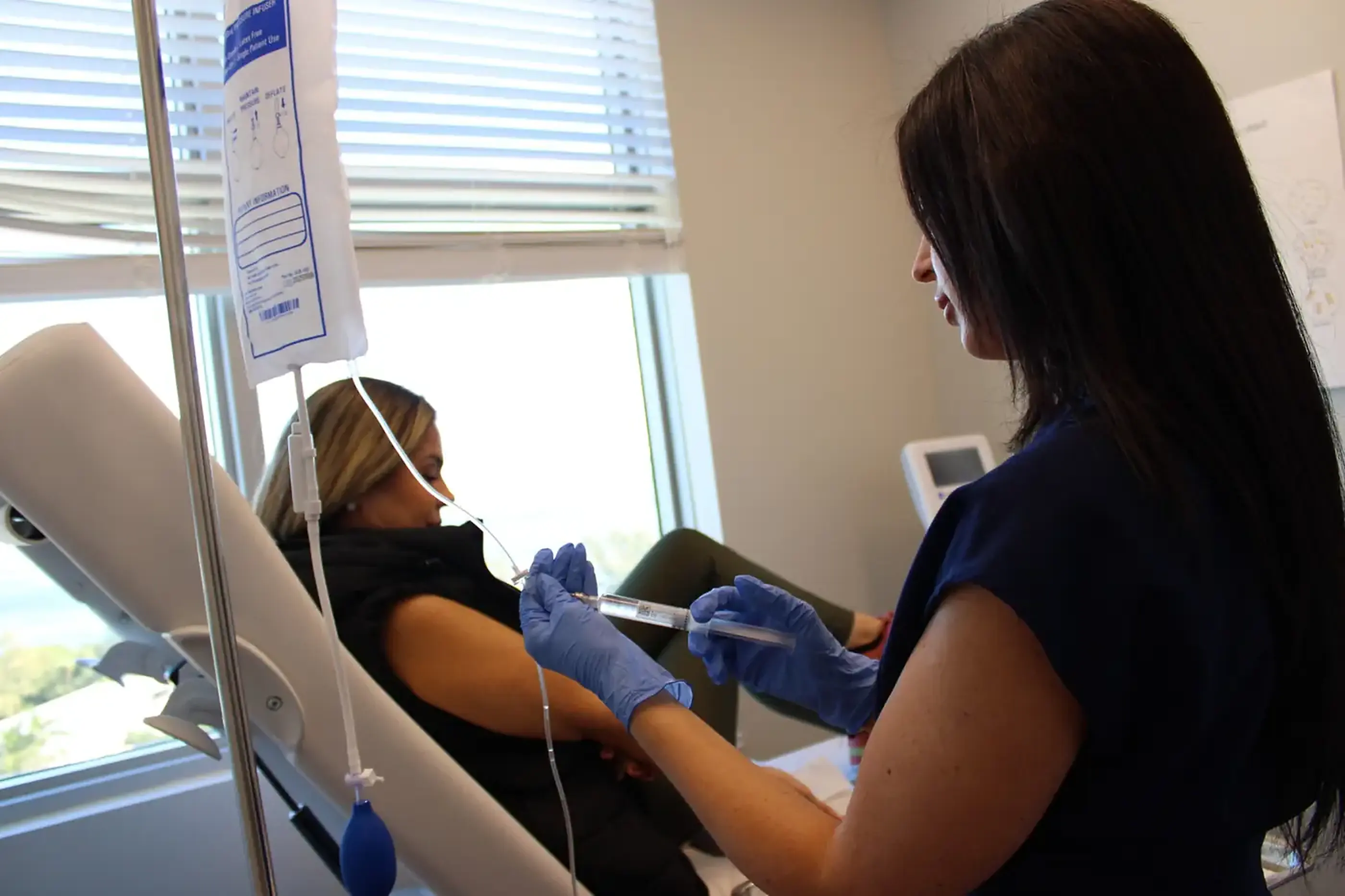
Feeling tired despite getting enough sleep is one of the most common concerns people experience. Many assume fatigue is only related to stress or lack of rest, but energy levels are closely connected to hydration, metabolism, nutrient status, and recovery capacity.
At Organic Well in Miami, IV therapy is often explored when fatigue may be connected to dehydration, nutrient demand, or recovery after stress, illness, or travel.
Understanding how hydration and nutrient balance affect energy can help explain why fatigue sometimes persists even when sleep improves.
Fatigue is not always about sleep
Sleep is important, but it is only one part of energy regulation. The body depends on several systems working together, including:
- hydration balance
- nutrient availability
- metabolic health
- stress physiology
- circulation
- inflammation regulation
When one or more of these systems are under strain, fatigue can appear even when sleep is adequate.
Hydration and energy levels
Hydration plays an essential role in circulation, oxygen delivery, and cellular energy production.
Even mild dehydration can affect:
- focus
- physical energy
- recovery
- mental clarity
- mood
In warm climates like Miami, dehydration can occur easily due to heat exposure, activity levels, and travel.
IV hydration therapy delivers fluids directly into circulation, which may support hydration more efficiently in certain situations.
Nutrient demand and modern life
Busy schedules, stress, illness, and physical activity can increase nutrient demand. When nutrient needs increase, energy levels may decline.
Nutrients involved in energy production include:
- B vitamins
- magnesium
- amino acids
- antioxidants
IV vitamin infusions may support nutrient delivery when the body’s demand is increased.
IV therapy is not a replacement for nutrition, but it may support recovery when used appropriately.
Recovery after stress, travel or illness
Fatigue often appears after periods of increased physical or mental demand.
Examples include:
- long travel days
- illness recovery
- intense work periods
- athletic training
- heat exposure
These situations can increase hydration and nutrient needs.
IV therapy is often used as part of recovery support during these periods.
IV therapy as part of functional medicine
At Organic Well, IV therapy is not used as a standalone wellness treatment. It is considered within a functional medicine approach that evaluates metabolism, nutrient status, hydration, and recovery capacity.
Care may include:
- laboratory testing
- metabolic health evaluation
- lifestyle strategies
- nutrition guidance
- personalized IV therapy when appropriate
This approach focuses on long-term energy support rather than temporary solutions.
When IV therapy may be considered
IV therapy may be considered when fatigue is connected to:
- dehydration
- recovery after illness
- travel fatigue
- nutrient demand
- physical stress
- immune stress
A medical consultation helps determine whether IV therapy is appropriate.
IV therapy in Miami
In cities like Miami, climate, activity level, and travel patterns can increase hydration demand.
IV hydration therapy has become a common supportive care option for individuals focused on recovery and wellness.
At Organic Well in Coconut Grove, IV therapy is physician-supervised and personalized to individual needs.
Conclusion
Fatigue is often more complex than it appears. Hydration, nutrient status, metabolism, and recovery all play a role in energy levels.
IV therapy may support hydration and nutrient delivery when the body is under increased demand, especially as part of a broader functional medicine approach.
Understanding the underlying contributors to fatigue is the first step toward restoring energy and resilience.
Evidence
What the research says
We cite the studies directly, including where the evidence is thin. Every link goes to the primary source.
A recent pharmacokinetic study of oral vitamin C showed that plasma vitamin C concentrations are little affected by oral administration, because of poor bioavailability.
Suh S-Y et al. Intravenous vitamin C administration reduces fatigue in office workers: a double-blind randomized controlled trial. Nutrition Journal, 2012.
141 healthy adults aged 20 to 49, randomized to 10 g intravenous vitamin C or saline. This is the trial most often cited for IV therapy and fatigue. It is small and single-center, and worth reading before drawing conclusions from it.
Given the low certainty of evidence, this potentially life-saving therapy warrants further studies to identify the optimal timing, dosage, treatment duration.
Lee Z-Y et al. Intravenous vitamin C monotherapy in critically ill patients. Annals of Intensive Care, 2023.
Dose, timing and patient selection drive outcomes far more than the route of administration alone. That is the point that gets lost when an infusion is sold as a menu item.
These claims, although widely publicized by celebrities and influencers, lack support from large-scale, randomized controlled trials.
The Science Behind Intravenous Vitamin Therapy — review of clinical applications.
Which is why fatigue deserves a workup before it deserves a drip. If your fatigue has a cause (iron, thyroid, sleep apnea, depression), an infusion will not fix it.